Introduction
E-learning is rapidly expanding across the UAE and GCC, driven by digital transformation and the need for flexible learning solutions. As institutions and training providers scale their programs, a reliable online assessment platform has become essential for measuring learning outcomes effectively.
However, modern e-learning demands more than basic testing—it requires secure, scalable, and data-driven assessment solutions that enhance both learner experience and performance tracking. Choosing the right platform is key to building efficient and impactful digital learning ecosystems.
1. Adaptive Testing for Personalized Learning Paths
E-learning is no longer one-size-fits-all. Learners have different skill levels, learning speeds, and knowledge gaps.
Why personalization matters
Standardized tests often fail to:
- Identify individual strengths and weaknesses
- Keep learners engaged
- Provide meaningful feedback
How adaptive assessments improve learning
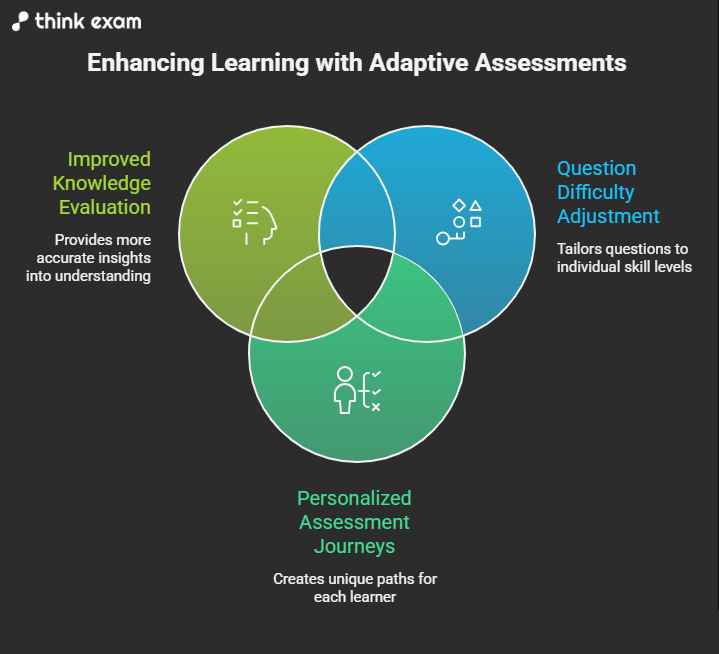
Modern online assessment platforms use adaptive logic to:
- Adjust question difficulty based on responses
- Create personalized assessment journeys
- Improve accuracy in evaluating knowledge levels
What makes this impactful
- Dynamic question flow
Learners receive questions tailored to their performance in real time. - Better engagement levels
Personalized assessments reduce frustration and improve focus. - More accurate skill measurement
Results reflect actual understanding rather than guesswork.
This is particularly valuable for digital learning platforms in the UAE, where diverse learner groups require customized evaluation.
2. Comprehensive Question Bank and Content Flexibility
A strong online testing platform must support diverse content formats to match different learning objectives.
Why content variety is important
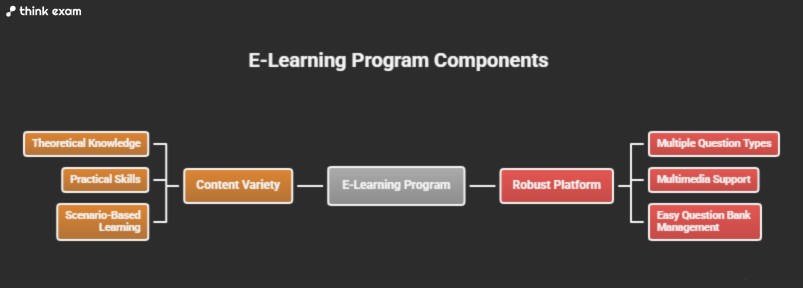
E-learning programs often include:
- Theoretical knowledge
- Practical skills
- Scenario-based learning
What a robust platform should offer
- Multiple question types (MCQs, descriptive, case-based)
- Multimedia support (images, audio, video)
- Easy question bank management
Designed for flexible learning
- Rich content integration
Supports interactive questions for better knowledge retention. - Reusable question libraries
Saves time and ensures consistency across assessments. - Easy updates and customization
Allows instructors to modify content as courses evolve.
This flexibility is essential for EdTech platforms and corporate training programs across the GCC.
3. Real-Time Analytics for Learning Insights
Assessments are not just about scores—they are about insights.
Why analytics matter in e-learning
Without proper data, organizations cannot:
- Measure learning effectiveness
- Identify skill gaps
- Improve course design
How modern platforms deliver insights
Advanced online assessment software provides:
- Performance dashboards
- Question-level analysis
- Learner progress tracking
Turning data into action
- Individual performance tracking
Helps learners understand their strengths and weaknesses. - Cohort-level insights
Allows instructors to identify trends across groups. - Continuous improvement loops
Data helps refine both assessments and course content.
This is increasingly important for digital education providers in the UAE, where data-driven learning is becoming the norm.
- Scalable Infrastructure for Growing Learning Programs
As e-learning expands, platforms must support increasing numbers of users without compromising performance.
The scalability challenge
- Managing large student volumes
- Ensuring consistent system performance
- Handling peak usage during exams
What scalable platforms offer
- Cloud-based infrastructure
- High concurrency support
- Reliable system uptime
Built for growth
- Seamless user experience at scale
Thousands of learners can take assessments simultaneously. - Flexible expansion capabilities
Platforms can grow alongside institutional needs. - Consistent performance across regions
Ensures smooth access for learners across the GCC.
This is critical for universities and training providers scaling digital learning initiatives in the Middle East.
5. Secure Assessment Environment for Academic Integrity
Security remains a key concern in e-learning assessments.
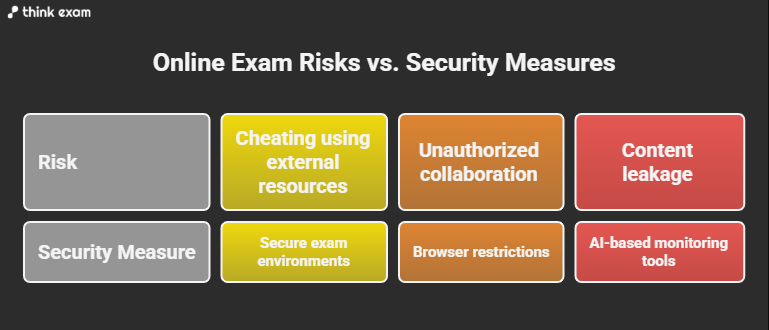
Common risks in online exams
- Cheating using external resources
- Unauthorized collaboration
- Content leakage
How platforms ensure security
Modern online assessment platforms include:
- Secure exam environments
- Browser restrictions
- AI-based monitoring tools
Creating a safe testing environment
- Controlled exam access
Limits unauthorized actions during assessments. - Integrated proctoring options
Enhances monitoring without disrupting the experience. - Data protection measures
Ensures confidentiality of exam content and results.
For institutions in the UAE, maintaining secure online exams is essential for credibility and compliance.
6. Seamless User Experience for Learners and Educators
A platform’s success depends heavily on how easy it is to use.
Why usability matters
A complex system can:
- Confuse learners
- Increase dropout rates
- Reduce adoption among educators
What defines a good user experience
- Intuitive interface
- Easy navigation
- Minimal technical requirements
Designed with users in mind
- Simple onboarding process
Learners can quickly understand how to use the platform. - Mobile-friendly access
Supports learning on the go, which is common in the GCC. - Minimal disruptions during tests
Ensures smooth assessment experiences.
A seamless experience is key for e-learning platforms aiming to improve engagement and retention.
7. Integration with Learning Management Systems (LMS)
Modern e-learning ecosystems rely on multiple tools working together.
Why integration is essential
- Streamlines workflows
- Reduces manual effort
- Improves data consistency
How integration adds value
An ideal online assessment platform should integrate with:
- Learning Management Systems (LMS)
- Student Information Systems
- Corporate training tools
Enabling a connected ecosystem
- Centralized data management
All learner data is accessible in one place. - End-to-end learning workflows
From course delivery to assessment and reporting. - Improved operational efficiency
Reduces administrative workload.
This is particularly important for institutions adopting digital learning solutions across the UAE and GCC.
8. Customization and Localization for Regional Needs
E-learning platforms must adapt to regional requirements, especially in diverse markets like the Middle East.
Why localization matters
- Language preferences (including Arabic support)
- Regional compliance requirements
- Cultural relevance in content
What platforms should offer
- Multi-language support
- Custom branding options
- Flexible assessment configurations
Tailored for the GCC
- Arabic and English compatibility
Supports a wider learner base. - Region-specific configurations
Aligns with local academic and corporate standards. - Custom workflows
Adapts to different institutional needs.
This ensures that online assessment platforms remain relevant and effective in the UAE and broader GCC region.
Conclusion
As e-learning continues to grow across the UAE and GCC, the role of a robust online assessment platform becomes increasingly important.
The right platform goes beyond basic testing to deliver:
- Personalized learning experiences
- Data-driven insights
- Secure and scalable assessments
- Seamless user interactions
By focusing on these key features, institutions and organizations can build effective, future-ready digital learning ecosystems that drive better outcomes for both learners and educators.