Remote learning and digital education are growing rapidly across the Middle East. Universities, certification providers, coaching institutes, and corporate training organisations are increasingly using online assessments to evaluate students and employees. While remote testing offers flexibility and accessibility, it also raises one major concern, exam security.
This is where AI exam proctoring is changing the way institutions conduct remote exams. Modern digital assessment systems now use artificial intelligence to monitor candidates, detect suspicious activity, and maintain exam integrity.
But can AI exam proctoring make remote exams completely cheat-proof? The answer is more complex than a simple yes or no.
What Is AI Exam Proctoring?
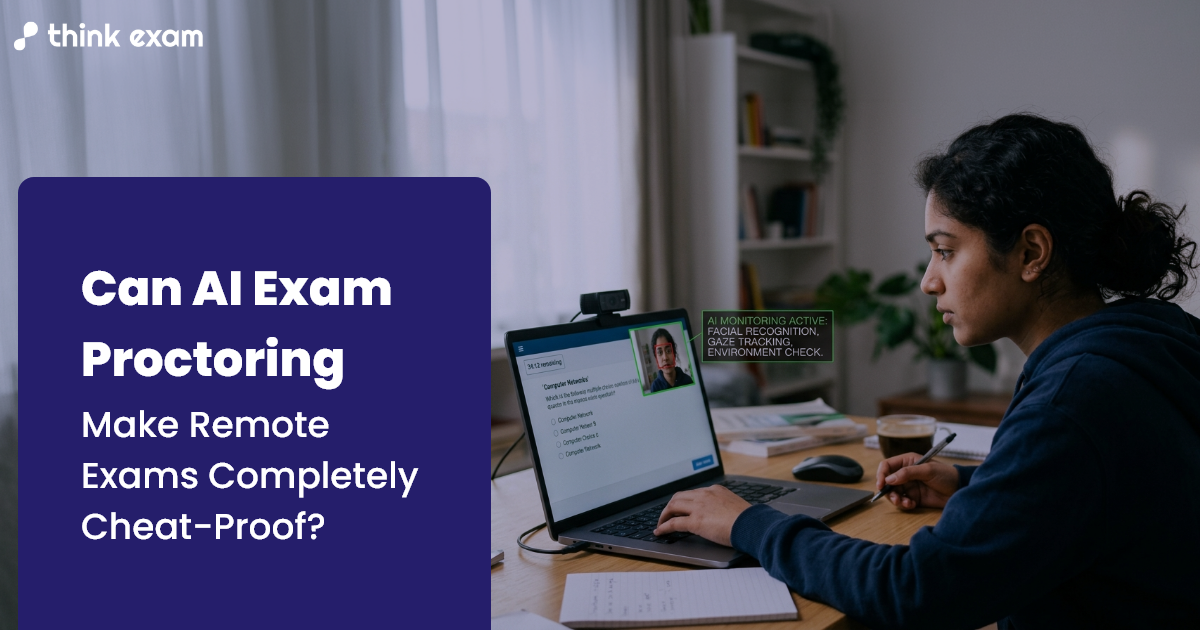
AI exam proctoring is a technology-driven system that monitors candidates during online exams using artificial intelligence. It helps institutions conduct secure remote exams without requiring physical invigilators.
Modern AI Proctoring systems use:
- Webcam monitoring
- Face recognition
- Browser activity tracking
- Audio detection
- Eye movement analysis
- Suspicious behavior alerts
These features help reduce cheating risks during online assessments.
Why Remote Exams Need Better Security
The popularity of remote learning and digital certification programs has increased significantly in the Middle East. Universities and organisations now conduct thousands of exams online.
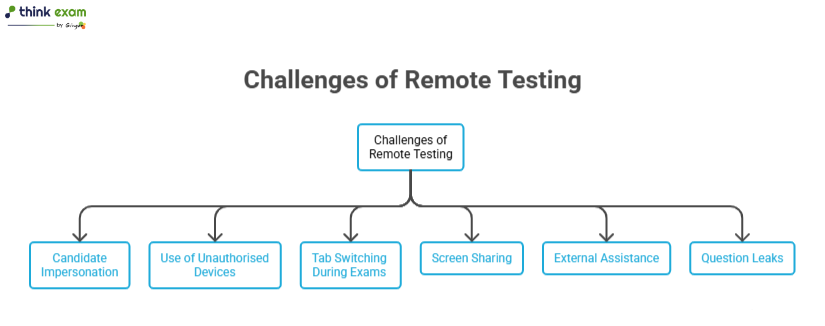
However, remote testing also creates challenges such as:
- Candidate impersonationbb
- Use of unauthorised devices
- Tab switching during exams
- Screen sharing
- External assistance
- Question leaks
Traditional monitoring methods cannot fully control these risks. This is why many institutions are investing in AI remote proctoring solutions.
How AI Exam Proctoring Helps Prevent Cheating
1. Identity Verification
One of the biggest advantages of AI exam proctoring is secure candidate authentication.
Common verification methods include:
- Facial recognition
- ID verification
- Live image matching
- Biometric authentication
These features help ensure the correct candidate takes the exam.
2. Real-Time Monitoring
Modern AI Proctoring systems continuously monitor candidate behaviour during exams.
The system can detect:
- Multiple faces on screen
- Unusual movements
- Frequent eye shifts
- Background voices
- Mobile phone usage
When suspicious activity is detected, the platform creates alerts for review.
3. Browser Lockdown Features
Many AI remote proctoring platforms include secure browser technology.
This prevents candidates from:
- Opening new tabs
- Accessing search engines
- Copying exam content
- Using unauthorized applications
This creates a safer environment for online assessments.
4. Automated Flagging
Instead of manually monitoring every candidate, AI exam proctoring systems automatically flag suspicious activities.
This helps institutions:
- Save time
- Reduce manual workload
- Improve monitoring efficiency
- Conduct large-scale remote exams
Automated monitoring is especially useful for universities and certification providers handling thousands of candidates.
Can AI Exam Proctoring Make Exams Completely Cheat-Proof?
While AI exam proctoring significantly improves exam security, no technology can guarantee 100% cheat-proof exams.
Why Complete Prevention Is Difficult
Technology Keeps Evolving
As security systems improve, cheating methods also become more advanced. Candidates may try to bypass monitoring systems using hidden devices or external tools.
Internet and Hardware Limitations
Poor internet connections or low-quality webcams can affect the accuracy of AI Proctoring systems.
Human Behaviour Is Complex
Artificial intelligence can detect patterns, but it may not always understand context perfectly. Some natural movements or environmental factors can trigger false alerts.
Because of these challenges, AI remote proctoring works best when combined with strong exam design and institutional policies.
Best Practices for Secure Online Assessments
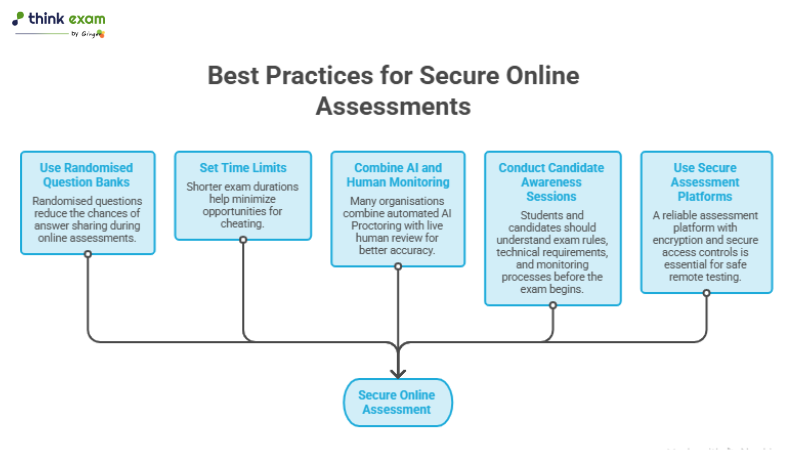
Institutions in the Middle East are adopting multiple strategies alongside AI exam proctoring to improve security.
Use Randomised Question Banks
Randomised questions reduce the chances of answer sharing during online assessments.
Set Time Limits
Shorter exam durations help minimize opportunities for cheating.
Combine AI and Human Monitoring
Many organisations combine automated AI Proctoring with live human review for better accuracy.
Conduct Candidate Awareness Sessions
Students and candidates should understand exam rules, technical requirements, and monitoring processes before the exam begins.
Use Secure Assessment Platforms
A reliable assessment platform with encryption and secure access controls is essential for safe remote testing.
Benefits of AI Exam Proctoring for the Middle East
The Middle East is experiencing rapid digital transformation in education and workforce development. Governments and institutions are investing heavily in online learning and digital infrastructure.
This makes AI exam proctoring highly valuable for the region.
Supports Large-Scale Digital Education
Universities and training organisations can conduct secure exams across multiple cities and countries.
Improves Accessibility
Candidates can attend exams remotely without travelling to test centres.
Reduces Operational Costs
Institutions can reduce costs related to physical venues, printed papers, and manual invigilation.
Enhances Trust in Online Certifications
Secure online assessments improve confidence in digital education and certification programs.
Challenges of AI Remote Proctoring
Although AI remote proctoring offers many advantages, institutions must also address certain concerns.
Privacy Concerns
Some candidates may feel uncomfortable with webcam monitoring and activity tracking.
Technical Requirements
Stable internet connectivity and proper devices are necessary for smooth remote exams.
False Positives
AI systems may sometimes flag innocent behaviours as suspicious activity.
To overcome these issues, institutions should maintain transparency and provide proper technical support to candidates.
The Future of AI Exam Proctoring
The future of AI exam proctoring will likely include more advanced technologies, such as:
- Behavioral analytics
- Voice recognition
- Adaptive monitoring
- Predictive risk detection
- Multi-device tracking
As digital education grows across the Middle East, secure remote testing will become even more important.
Educational institutions, certification providers, and enterprises are expected to continue investing in smarter AI Proctoring systems to improve exam integrity.
Conclusion
AI exam proctoring has transformed remote testing by making online assessments more secure, scalable, and efficient. Advanced monitoring tools, identity verification, and automated detection systems help reduce cheating risks significantly.
However, no system can make remote exams completely cheat-proof. The most effective approach combines AI remote proctoring, secure exam design, human review, and strong institutional policies.
As digital learning and remote certifications continue growing in the Middle East, AI Proctoring will play a critical role in building trust and maintaining fairness in online examinations.