Hiring today is about much more than reviewing resumes. Organisations want to identify candidates with the right skills, problem-solving abilities, and job readiness before making an offer. That’s why online assessments have become a key part of modern recruitment.
But with hiring moving online, another question becomes just as important: Is your assessment platform secure enough to protect the hiring process?
A weak assessment platform can lead to unfair evaluations, compromised candidate data, and unreliable hiring decisions. On the other hand, a secure digital assessment platform gives recruiters confidence that every result reflects a candidate’s true abilities.
If you’re planning to invest in a new assessment solution, here are the key factors you should consider before making a decision.
Why Security Matters More Than Ever
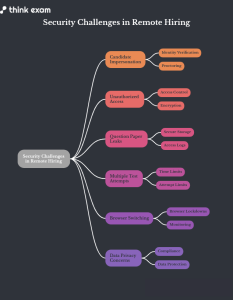
Remote hiring has opened doors to a wider talent pool, but it has also introduced new challenges. Candidates can take assessments from anywhere, making it harder to ensure a fair testing environment.
Without proper safeguards, organisations may face issues such as:
- Candidate impersonation
- Unauthorised access to assessment content
- Question paper leaks
- Multiple test attempts
- Browser switching during assessments
- Data privacy concerns
These risks don’t just affect one hiring cycle—they can damage an organisation’s reputation and lead to poor hiring decisions.
A secure platform helps reduce these risks while creating a fair experience for every applicant.
Start with Strong Candidate Authentication
Before an assessment even begins, the platform should verify that the right person is taking the test.
Look for features such as:
- Identity verification
- Photo capture or facial verification
- Email and mobile authentication
- Secure login methods
- Multi-factor authentication where required
Strong authentication creates the first layer of trust in the assessment process.
Look Beyond Basic Proctoring
Many platforms claim to offer proctoring, but not all solutions provide the same level of security.
When evaluating a platform for online assessments, check whether it supports features like:
- AI-assisted monitoring
- Live proctoring options
- Multiple face detection
- Browser activity monitoring
- Mobile phone detection
- Screen recording prevention
- Suspicious activity reporting
A combination of automated monitoring and human review often provides the best balance between security and fairness.
Protect Assessment Content
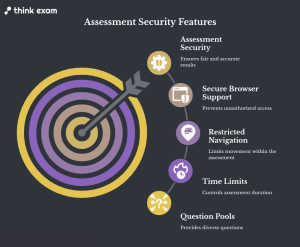
Creating quality assessments takes time and expertise. Protecting that content is equally important.
A secure online exam assessment platform should help prevent unauthorised sharing by offering:
- Question randomisation
- Randomised answer options
- Question pools
- Time limits for each section
- Restricted navigation where needed
- Secure browser support
These features reduce the chances of candidates sharing answers or collaborating during the assessment.
Prioritise Data Security and Compliance
Employee assessments involve sensitive candidate information, including personal details, scores, and recruitment records.
Before selecting a platform, ask questions such as:
- How is candidate data stored?
- Is the data encrypted?
- Who can access assessment reports?
- Does the platform follow recognised security standards?
- Are regular backups performed?
A platform with strong data protection measures helps organisations stay compliant while building trust with candidates.
Don’t Compromise on Candidate Experience
Security is essential, but it shouldn’t make the assessment difficult to complete.
A good digital assessment platform should offer:
- Simple login process
- Clear assessment instructions
- Device compatibility
- Stable performance on different internet connections
- Easy-to-use interface
- Quick technical support when required
Candidates who have a smooth experience are more likely to complete assessments successfully and develop a positive impression of your organisation.
Reporting Should Help You Make Better Hiring Decisions
A secure platform doesn’t just conduct tests, it provides meaningful insights.
Look for reporting features such as:
- Skill-wise performance analysis
- Section-wise scores
- Time spent on each question
- Candidate comparison reports
- Automated scorecards
- Downloadable reports
These insights help recruiters move beyond intuition and make more informed hiring decisions.
Scalability Matters as Your Hiring Grows
Your hiring needs today may be very different from your needs a year from now.
Whether you’re hiring 50 candidates or 5,000, your platform should be able to handle increasing volumes without affecting performance.
This is especially important for organisations conducting campus drives, bulk recruitment, certification programs, or nationwide hiring campaigns.
A scalable computer based test platform ensures consistent performance regardless of the number of candidates.
Integration Can Save Time
Recruitment often involves multiple tools working together.
Before finalising a platform, check whether it integrates with your existing:
- Applicant Tracking System (ATS)
- HRMS
- Learning Management System (LMS)
- Recruitment software
- Video interviewing platforms
Good integrations reduce manual work and create a more efficient hiring workflow.
Think Beyond Today’s Hiring Needs
Technology continues to reshape recruitment. The assessment platform you choose today should be able to support future hiring requirements as well.
Look for providers that regularly update their platform, introduce new security features, improve reporting capabilities, and adapt to changing industry needs.
Choosing a future-ready solution means you won’t need to replace your assessment system every few years.
Making the Right Choice
Choosing a platform for online assessments is about much more than comparing feature lists. It’s about finding a solution that protects assessment integrity, delivers a smooth candidate experience, and provides recruiters with reliable data for better hiring decisions.
The right platform combines security, scalability, usability, and insightful reporting into a single solution. As organisations continue to embrace digital hiring, investing in a secure assessment platform is no longer optional, it’s a strategic decision that supports fair, efficient, and confident recruitment.