Preparing for NEET is challenging enough. When the exam pattern changes, students also need to adapt to a new way of taking the exam.
As discussions around the NEET CBT exam continue to grow, many students and coaching institutes are trying to understand what this shift could mean for preparation. While the syllabus remains the same, the way students attempt the exam can have a significant impact on their confidence and performance.
The biggest change is not the questions, it is the experience of taking the exam on a computer.
This guide explains the complete journey of the NEET CBT exam, from registration and practice to exam-day strategy, so you know exactly what to expect.
A CBT Exam Changes the Way You Take the Test, not what you study
Many students think they need to study differently for a computer-based exam.
That is not true.
The syllabus, concepts, and level of preparation remain the same. The biggest difference is how you interact with the exam.
In a Computer-based examination, you answer questions using a computer instead of marking answers on paper.
You read each question on the screen, select your answer, move between questions using navigation buttons, and submit your responses digitally.
Success depends on becoming comfortable with the exam interface before the actual test.
How the NEET CBT Mode Works
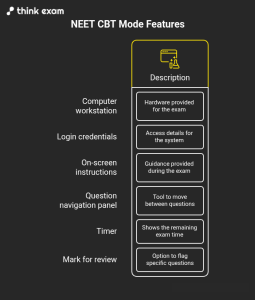
The NEET CBT mode is designed to provide a structured digital testing experience.
During the exam, students generally receive:
- A computer workstation
- Login credentials
- On-screen instructions
- Question navigation panel
- Timer showing the remaining time
- Option to mark questions for review
Instead of turning pages, candidates navigate through questions using the screen.
Understanding these features before exam day helps students avoid unnecessary confusion.
Why Practice Is More Important Than Ever
Knowing Biology, Physics, and Chemistry is only part of the preparation.
Students also need to become comfortable answering questions on a computer.
This is where a NEET CBT mock test becomes valuable.
Regular mock tests help students:
- Learn the digital interface
- Practice managing time
- Develop question navigation habits
- Build confidence before the actual examination
The more familiar the interface becomes, the less attention students need to spend understanding the system during the exam.
What to Expect Before Exam Day
Preparation starts long before reaching the examination centre.
Students should carefully:
- Read all official instructions.
- Check reporting time.
- Verify required documents.
- Confirm the examination centre location.
- Plan travel in advance.
- Get enough rest before the exam.
Being prepared for these practical details helps reduce unnecessary stress.
Build a Practice Routine That Matches the Real Exam
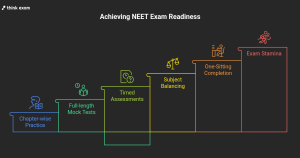
Many students solve questions chapter by chapter.
While this is useful during learning, it should not be the only preparation method.
As the exam approaches, students should also practice:
- Full-length mock tests
- Timed assessments
- Subject balancing
- Completing the exam in one sitting
A NEET computer-based test requires both subject knowledge and exam stamina.
Regular full-length practice helps develop both.
Improve Time Management Before the Exam
One common challenge in digital exams is managing time effectively.
Students often spend too long on difficult questions.
Instead of trying to solve every question immediately, create a strategy.
For example:
- Answer easier questions first.
- Mark difficult questions for review.
- Return to challenging questions later.
- Keep an eye on the on-screen timer.
Practicing this approach during mock tests helps it become a habit on exam day.
Avoid Common Mistakes During the Exam
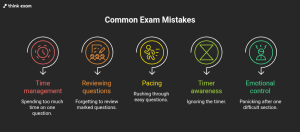
Small mistakes can affect overall performance.
Some common examples include:
- Spending too much time on one question
- Forgetting to review marked questions
- Rushing through easy questions
- Ignoring the timer
- Panicking after one difficult section
The best preparation is to experience these situations during practice rather than during the real exam.
Make Mock Tests Part of Your Weekly Plan
Many students take mock tests only during the final weeks.
A better approach is to start earlier.
A regular NEET CBT mock test schedule helps students:
- Improve speed gradually
- Identify weak topics
- Build confidence
- Reduce exam anxiety
- Track improvement over time
Consistent practice is more effective than taking many tests at the last moment.
NEET CBT Mock Exam Tips That Actually Help
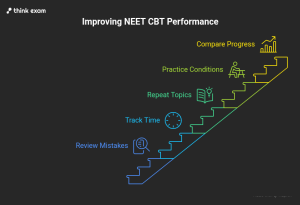
Students often focus only on scores after every mock test.
The score matters, but the analysis matters even more.
Some useful NEET CBT mock exam tips include:
Review Every Mistake
Understand why each incorrect answer happened.
Track Time by Subject
Notice where you spend the most time.
Repeat Difficult Topics
Use mock tests to identify concepts that need more revision.
Practice Under Exam Conditions
Avoid taking breaks during full-length tests.
Compare Progress
Measure improvement across multiple mock tests instead of focusing on one result.
These habits gradually improve both accuracy and confidence.
Develop a Practical Exam-Day Strategy
Preparation does not end with studying.
A clear NEET CBT exam day strategy can help students stay calm and focused.
Consider the following:
- Reach the exam centre early.
- Read instructions carefully.
- Avoid rushing through the first questions.
- Stay aware of the remaining time.
- Do not panic if one section feels difficult.
- Trust your preparation.
A steady approach usually produces better results than trying to solve every question quickly.
Why Digital Familiarity Can Improve Confidence
Many students experience nervousness simply because they are unfamiliar with computer-based testing.
The more they practice in a digital environment, the more comfortable they become.
Confidence comes from repetition.
Students who regularly practice in the NEET CBT mode often spend less time understanding the interface and more time solving questions.
That small difference can have a meaningful impact during the actual examination.
Final Thoughts
The NEET CBT exam is not about learning new subjects.
It is about applying your existing knowledge in a digital testing environment.
Students who understand the exam interface, practice regularly through a NEET CBT mock test, build strong time-management habits, and follow a practical NEET CBT exam day strategy are better prepared for the overall examination experience.
Success in a NEET computer-based test comes from combining strong academic preparation with consistent digital practice.
The earlier you start preparing for both, the more confident you will feel on exam day.