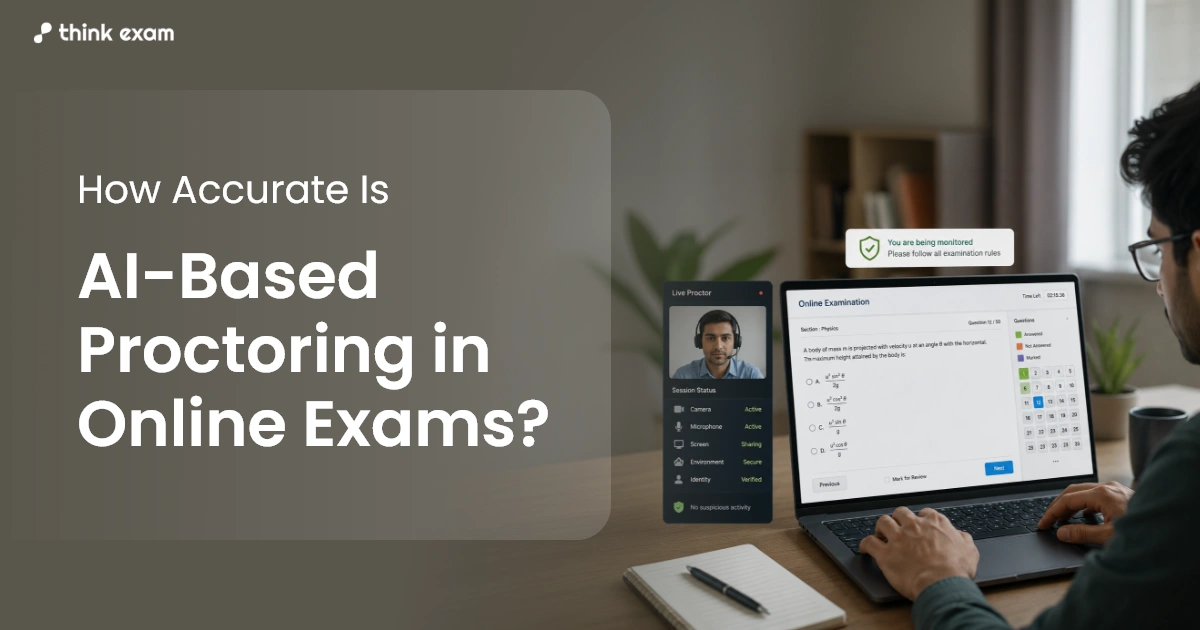
As online assessments become more common, one question continues to come up among educators, recruiters, certification bodies, and training organisations:
Can AI accurately detect suspicious activity during an online exam?
The short answer is yes, but accuracy depends on how the system is designed and how it is used.
Many people assume that AI can instantly identify every unfair action during an assessment. In reality, proctoring works best when it combines intelligent technology with clear exam rules and human review where needed.
Understanding what affects accuracy can help organisations choose the right approach for secure online assessments.
AI Is Designed to Detect Patterns, Not Make Final Decisions
One of the biggest misconceptions about AI is that it automatically decides whether a candidate has cheated.
In most modern online exam proctoring systems, AI does something different.
It continuously monitors the assessment and identifies activities that may require attention.
These could include:
- Multiple faces appearing on the screen
- Frequent movement away from the camera
- Unusual changes in lighting
- Unexpected background activity
- Long periods when the candidate is not visible
Instead of making final judgments, AI typically flags these events for review.
This approach helps reduce unnecessary interruptions while allowing administrators to examine flagged sessions more carefully.
Good Exam Setup Improves Proctoring Accuracy
Even the best AI system depends on the quality of the testing environment.
Several factors influence how accurately proctoring performs:
- A stable internet connection
- Proper lighting
- A clear webcam image
- Correct camera positioning
- Minimal background distractions
If a candidate is taking an exam in a dark room or the webcam is partially blocked, the system may not receive enough information to monitor the session effectively.
Providing clear instructions before the exam helps improve the overall experience for both candidates and administrators.
Different Exams Need Different Levels of Monitoring
Not every assessment requires the same level of security.
For example:
- Weekly practice tests may need only basic monitoring.
- University entrance exams may require stricter controls.
- Recruitment assessments may focus on maintaining a fair evaluation environment.
- Certification exams often have higher security requirements.
A flexible online exam proctoring solution should allow organisations to adjust monitoring based on the purpose of the assessment instead of using the same settings for every exam.
A Lockdown Browser Supports a Secure Environment
AI monitoring is only one part of exam security.
Many organisations also use a lockdown browser to create a controlled testing environment.
A lockdown browser helps limit actions such as:
- Opening additional browser tabs
- Switching to other applications
- Accessing unauthorized websites
- Using certain system functions during the assessment
When used alongside proctoring, it creates multiple layers of protection rather than relying on a single technology.
Human Review Still Plays an Important Role
AI can process large numbers of assessment sessions quickly, but context is still important.
For example, a candidate looking away from the screen may simply be thinking.
A family member walking past the room does not automatically indicate misconduct.
This is why many organisations use AI to identify unusual events while trained reviewers evaluate flagged recordings before making important decisions.
Combining automation with human judgment helps create a more balanced assessment process.
Clear Exam Guidelines Improve Results
Technology works best when candidates know what is expected.
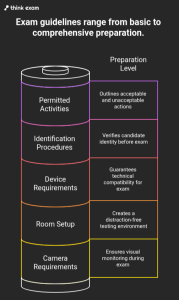
Before conducting online exams, organisations should explain:
- Camera requirements
- Room setup
- Device requirements
- Identification procedures
- Permitted and restricted activities
When expectations are communicated clearly, candidates can prepare appropriately, reducing avoidable alerts during the assessment.
Proctoring Helps Build Confidence in Assessment Results
The value of proctoring extends beyond identifying unusual behaviour.
It also helps strengthen confidence in assessment outcomes.
For educational institutions, this means greater trust in examination results.
For recruiters, it supports fair candidate evaluations.
For certification providers, it helps maintain the credibility of professional qualifications.
When stakeholders trust the assessment process, they are more likely to trust the results.
Technology Continues to Improve
AI technologies continue to evolve.
Modern systems are becoming better at identifying patterns while reducing unnecessary alerts.
They are also designed to work more efficiently across different assessment environments.
As organisations conduct more online exams, they are increasingly looking for solutions that balance:
- Accuracy
- Candidate experience
- Administrative efficiency
- Assessment integrity
The focus is no longer only on monitoring.
It is on creating a fair and consistent testing experience.
What Organisations Should Look For
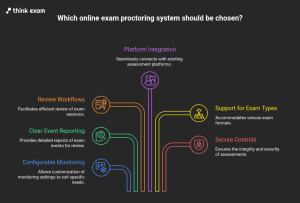
Instead of asking whether AI is “100% accurate,” a better question is:
Does the solution provide reliable monitoring while supporting fair decision-making?
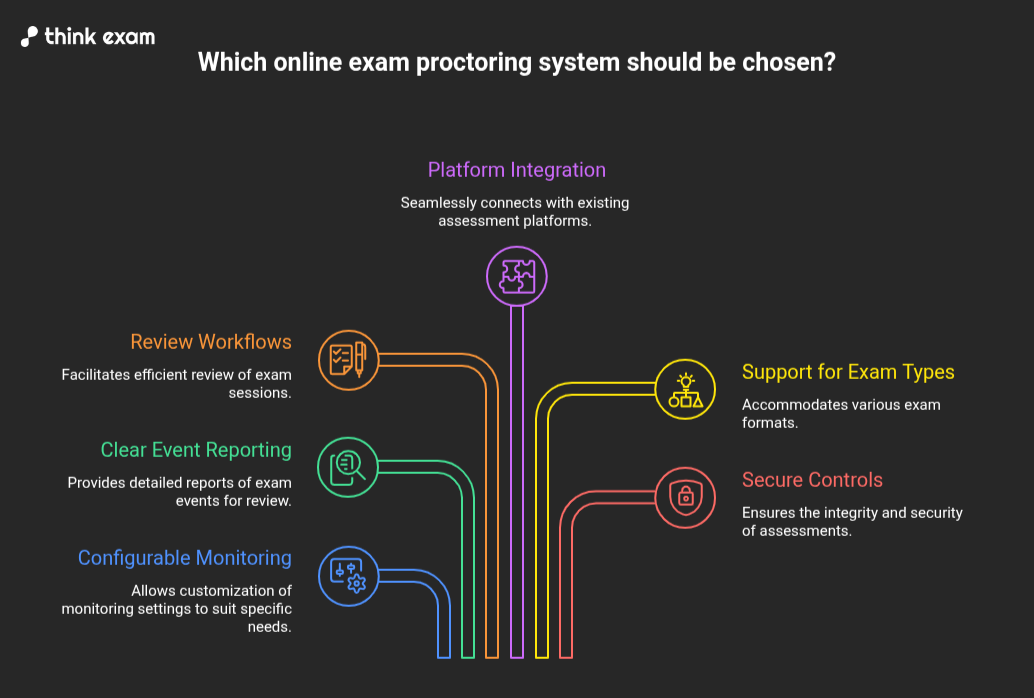
When evaluating an online exam proctoring system, consider whether it offers:
- Configurable monitoring settings
- Clear event reporting
- Review workflows
- Integration with assessment platforms
- Support for different exam types
- Secure assessment controls
These capabilities often have a greater impact than individual monitoring features alone.
Final Thoughts
AI has significantly improved the way organisations conduct secure digital assessments.
While no technology can guarantee perfect monitoring in every situation, modern proctoring solutions can effectively identify patterns that help administrators maintain exam integrity.
The most successful assessment strategies do not rely on AI alone.
They combine intelligent monitoring, a lockdown browser where appropriate, clear exam guidelines, and thoughtful human review.
As online exams continue to grow, this balanced approach will help institutions and organisations conduct assessments that are both secure and fair.