Start With the Purpose, Not the Questions
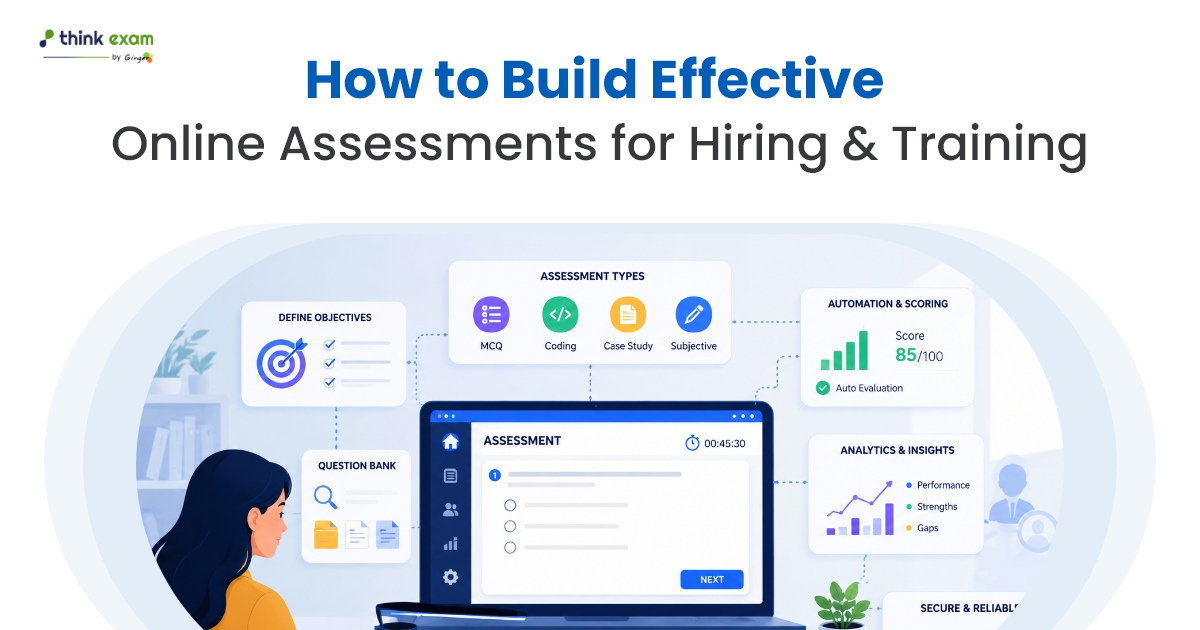
One of the most common mistakes organizations make is building the test before deciding what they want to measure. Before creating any assessment, ask:- Is this for hiring?
- Is this for employee training?
- Is this for promotions or certifications?
- Is this for identifying skill gaps?
Focus on Skills That Actually Matter
Many assessments still rely heavily on memory-based questions. But today’s workplaces need much more than memorization. Recruiters often look for:- Problem-solving ability
- Logical thinking
- Communication skills
- Decision-making
- Role-specific knowledge
Keep the Candidate Experience Simple
A complicated assessment process can create frustration before the evaluation even begins. Candidates should not spend more time understanding the platform than answering questions. A good assessment experience includes:- Clear instructions
- Easy navigation
- Simple login process
- Mobile-friendly access where possible
- Stable test environment
Choose the Right Assessment Format
Not every role requires the same type of evaluation. The best organizations match the assessment to the position. For hiring, companies may use:- Aptitude tests
- Technical assessments
- Coding challenges
- Behavioral evaluations
- Situational judgment tests
- Knowledge checks
- Module-based quizzes
- Certification tests
- Skill validation exercises
Use Assessments Throughout the Employee Journey
Many companies think assessments are only useful during recruitment. In reality, they can support employees long after they are hired. Organizations now use online assessments for:- Campus hiring
- Internal promotions
- Employee onboarding
- Learning and development programs
- Leadership training
- Annual skill evaluations
Data Should Lead to Better Decisions
One of the biggest advantages of digital assessments is the amount of information they provide. Instead of looking only at final scores, organizations can analyze:- Topic-wise performance
- Time spent on questions
- Overall accuracy
- Team-level skill gaps
- Learning progress over time
Keep Assessments Relevant
Job roles and business needs change constantly. An assessment that worked two years ago may no longer measure the skills required today. Companies should regularly review:- Question banks
- Difficulty levels
- Skill requirements
- Industry trends
Technology Should Simplify the Process
Technology is valuable only when it makes work easier. A good assessment system should help HR and learning teams:- Create tests quickly
- Manage candidates efficiently
- Generate reports automatically
- Store assessment records securely
- Scale assessments for larger groups
Hiring and Learning Are Becoming More Connected
The line between recruitment and employee development is becoming smaller. Organizations are realizing that the same skills measured during hiring should continue to be developed after joining. For example, if communication skills are assessed during recruitment, they can also become part of future training evaluations. This creates a stronger talent strategy where hiring and learning support each other. Modern online assessments make this possible by providing a single framework for measuring growth across the employee lifecycle.Small Changes Can Create Better Assessments
Building effective assessments does not always require major changes. Sometimes simple improvements can have a big impact. For example:- Reduce unnecessary questions.
- Focus on quality instead of quantity.
- Include practical scenarios.
- Review old question banks regularly.
- Keep the test length reasonable.
The Future of Hiring and Training Assessments
As organizations continue to embrace digital transformation, assessments will become even more important. Companies are moving toward skill-based hiring and continuous employee development. This means assessments will no longer be viewed as isolated events. Instead, they will become an ongoing tool for identifying potential, measuring progress, and supporting growth. The organizations that build better assessment strategies today will be better prepared to attract, hire, and develop the workforce of tomorrow.Final Thoughts
An effective assessment is not about asking more questions. It is about asking the right questions. Well-designed online assessments help recruiters identify the right talent and help learning teams understand whether training programs are delivering results. By focusing on skills, keeping the process simple, using meaningful data, and choosing the right technology, organizations can build assessment strategies that support both hiring and long-term employee development. In the end, the best assessments do more than evaluate people. They help organizations make better decisions.FAQs
Why are online assessments important for recruitment?
Online assessments help recruiters evaluate skills, reduce manual screening, and make more informed hiring decisions.
How can online assessments support employee training?
They help organizations measure learning progress, identify skill gaps, and track employee development over time.
What should a good digital assessment platform include?
A good digital assessment platform should offer easy test creation, secure management, reporting, analytics, and a smooth user experience.
What is an online exam assessment?
An online exam assessment is a digital evaluation used to measure knowledge, skills, or job readiness through an online platform.
How does recruitment software improve hiring?
Modern recruitment software helps automate assessments, manage candidates, and streamline the overall hiring process.
How often should organizations update their assessments?
Question banks and assessment formats should be reviewed regularly to match changing job roles and business requirements.
Can the same assessment platform be used for both hiring and training?
Yes, Many organizations use a single platform to manage recruitment tests, onboarding evaluations, training assessments, and internal certifications.