Every recruiter wants to hire the right candidate.
But even with the best intentions, hiring decisions can sometimes be influenced by factors that have little to do with a candidate’s actual ability.
A strong resume, a well-known university, previous employers, or even first impressions during screening can unintentionally affect how candidates are evaluated.
This is why many organisations are adding an aptitude examination early in the recruitment process.
Rather than relying only on resumes, companies are using structured assessments to evaluate skills objectively before interviews begin.
The goal is not to replace recruiters.
The goal is to give every candidate a fair opportunity to demonstrate their abilities.
Resumes Don’t Always Tell the Full Story
A resume shows education, work experience, and achievements.
What it cannot always show is how a candidate thinks, solves problems, or handles new situations.
Two applicants may have similar qualifications but very different abilities.
An online aptitude exam helps recruiters compare candidates using the same evaluation criteria instead of relying only on background information.
This creates a stronger foundation for shortlisting decisions.
Every Candidate Starts From the Same Point
One of the biggest strengths of an aptitude examination is consistency.
Every applicant answers the same questions under the same assessment rules.
This allows recruiters to compare performance fairly because each candidate is evaluated using the same standard.
Instead of asking, “Who has the strongest resume?”, recruiters can ask, “Who demonstrated the strongest skills?”
Skills Become the Primary Focus
Modern organisations increasingly value practical ability over credentials alone.
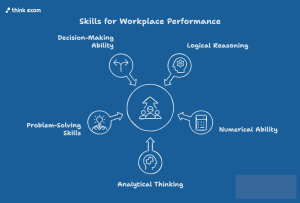
An online aptitude assessment test allows recruiters to evaluate:
- Logical reasoning
- Numerical ability
- Analytical thinking
- Problem-solving skills
- Decision-making ability
These skills often provide a better indication of workplace performance than resumes by themselves.
Structured Assessments Create More Consistent Hiring
Interview styles often vary between hiring managers.
Some ask technical questions.
Others focus on communication or experience.
An online aptitude test introduces one consistent evaluation stage before interviews begin.
This helps organisations build a more standardised recruitment process while making candidate comparisons easier.
Hidden Talent Gets More Opportunities
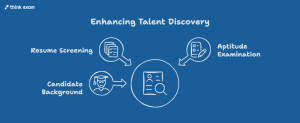
Many capable candidates are overlooked because their resumes do not stand out.
Career changers, fresh graduates, or applicants from smaller institutions may never reach the interview stage.
An aptitude examination allows these candidates to demonstrate their abilities through performance rather than credentials.
This helps organisations discover talent that traditional resume screening might miss.
Better Shortlists Save Recruiters Time
Recruiters often spend hours reviewing applications.
An online aptitude exam helps narrow the candidate pool using measurable performance data.
Instead of manually reviewing every resume in detail, hiring teams can identify candidates who meet the required skill level and move them to the next stage more efficiently.
Data Supports Better Hiring Decisions
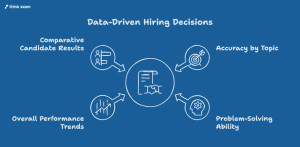
Hiring decisions become stronger when they are supported by evidence.
A modern online aptitude assessment test provides insights beyond a final score.
Recruiters can review:
- Accuracy by topic
- Problem-solving ability
- Overall performance trends
- Comparative candidate results
These insights help hiring managers make more informed decisions throughout the recruitment process.
Online Exams Improve Hiring at Scale
As organisations receive more applications, manual screening becomes increasingly difficult.
An online exam allows companies to evaluate large numbers of candidates efficiently while maintaining consistency across all applicants.
Whether recruiting for a few positions or conducting campus hiring, digital assessments help create a structured evaluation process.
CBT Tests Bring Greater Consistency
Many organisations now conduct assessments using a CBT test environment.
Every candidate receives:
- The same instructions
- The same time limits
- The same question format
- The same evaluation process
This standardised experience reduces unnecessary variations and supports fairer comparisons.
Bias Can Never Be Eliminated Completely
No assessment method is perfect.
An aptitude examination should not be the only factor used in hiring decisions.
Instead, it should work alongside interviews, technical evaluations, and reference checks.
When combined with structured hiring practices, aptitude assessments help reduce subjectivity and create a more balanced recruitment process.
Build a Hiring Process Around Evidence
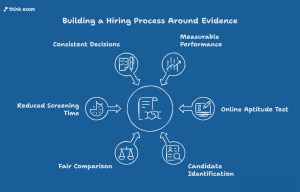
Organisations that hire successfully often focus on measurable performance rather than assumptions.
An online aptitude test provides objective data that helps recruiters:
- Identify qualified candidates
- Compare applicants fairly
- Reduce manual screening time
- Support consistent hiring decisions
The more evidence recruiters have, the more confident they can be in their final selection.
Final Thoughts
Reducing hiring bias is not about removing human judgement.
It is about supporting that judgment with objective information.
An aptitude examination gives every candidate the opportunity to demonstrate their abilities before interviews begin, helping recruiters focus on skills rather than assumptions.
Combined with an online aptitude exam, a structured online aptitude assessment test, a reliable online exam environment, and a standardised CBT test process, organisations can build recruitment strategies that are more consistent, transparent, and focused on potential.
The result is not only fairer hiring but also better hiring.